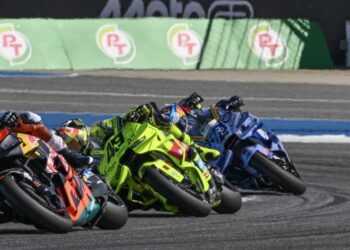













The MotoGP paddock finds itself effectively marooned in Thailand as escalating Middle East tensions turn the journey home into a high-stakes.
What was supposed to be a celebratory start to the championship has shifted into a “evacuation” mindset. With missile strike threats looming over Qatar—the very site of the next scheduled Grand Prix (April 10–12)—the aviation corridors through Doha and Dubai have vanished overnight.
For a paddock that is predominantly European, the loss of these two “super-hubs” has severed the primary artery between Southeast Asia and home.
The fallout was immediate: A significant number of MotoGP personnel were forced to abandon transit plans and retreat to Bangkok. And Travelers are now seeking alternative corridors, with many rerouting through China to bypass the conflict zones and reach European soil.
Recognizing the severity of the situation, MotoGP SEG. has moved from race organizer to travel coordinator. To prevent their staff from being stranded indefinitely, a series of high-capacity charters has been commissioned to bypass the Middle Eastern bottlenecks.
Faced with a stranded workforce, the sport’s governing bodies and stakeholders have shifted into “emergency mode.” To ensure the season remains on track and staff return safely, a series of rescue operations are underway:
The organizers have secured a dedicated charter flight from Bangkok directly to Madrid, Spain, specifically for their essential officials and staff.
Other sectors of the paddock are collaborating to organize a Bangkok–Milan Malpensa charter, scheduled to depart in the dead of night to evacuate remaining team members and media personnel.
While the Qatar Grand Prix. Scheduled for early April, the Losail International Circuit sits directly within the zone of escalating regional instability.
While MotoGP SEG. has not yet officially postponed the event, the logistical nightmare of moving tons of freight and thousands of personnel into a potential conflict zone is weighing heavily on team principals.
“The thrill of racing is often tempered by the realities of life beyond the track,” noted one senior team member. “Right now, the ‘Fastest Lap’ doesn’t matter. The only clock we’re watching is the one at the departure gate.”
Credit Photo : BRIC