YAMAHA Chief Admits M1 to V4 "Mountain to climb"
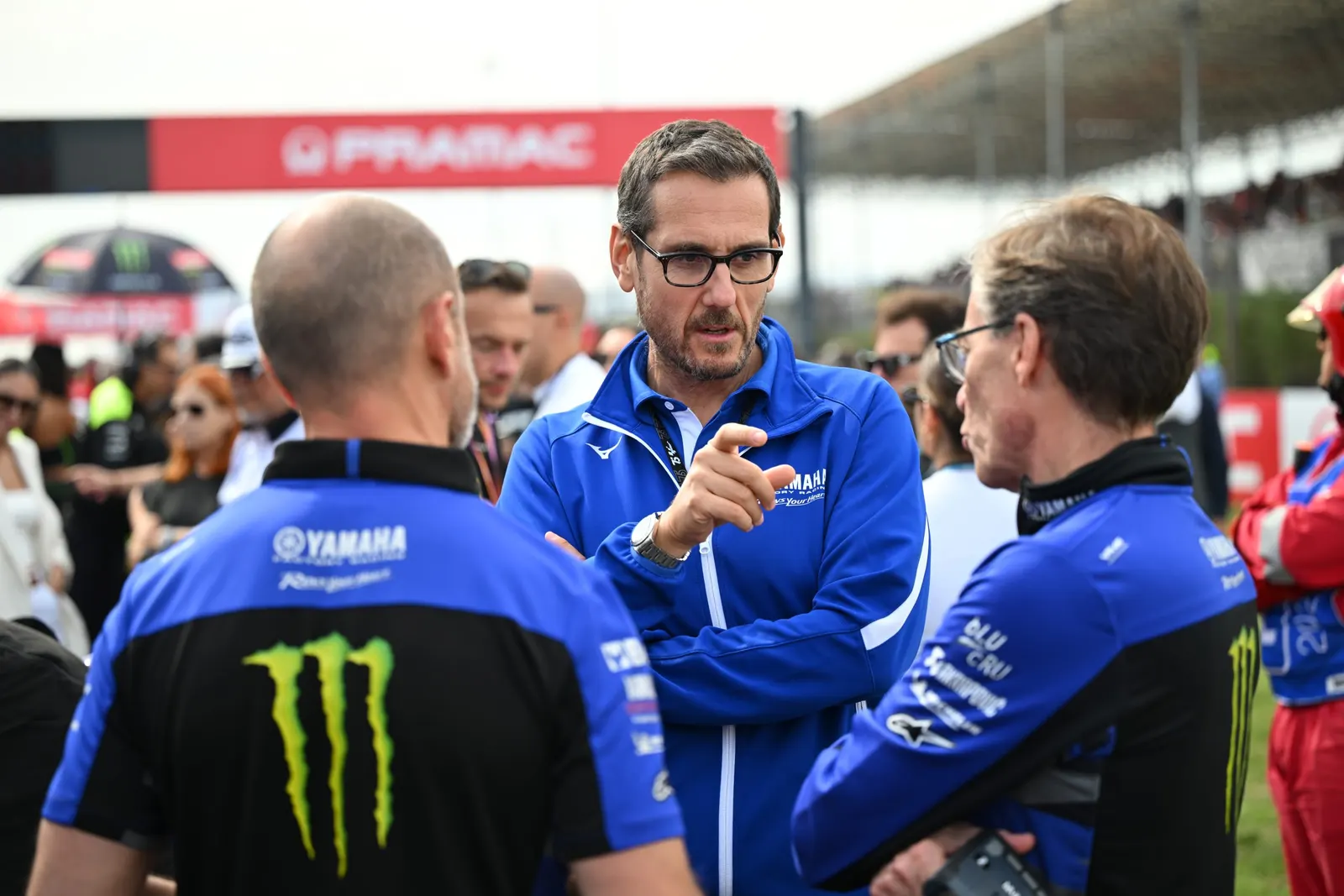
The "Blue Revolution" is officially underway, but Yamaha isn’t expecting a sprint to the top. Following a challenging 2026 Thai GP, Yamaha Motor Racing Managing Director Paolo Pavesio faced the media scrums with refreshing candor, detailing the monumental task of transitioning the M1 from its traditional Inline-4 roots to the high-stakes world of the V4 configuration.
While the results in Buriram weren't the "magic" fans hoped for, Pavesio insists the factory is operating at 110% to close a gap that has now been clearly quantified on the world stage.
Yamaha’s decision to anticipate their 2027 technical overhaul by introducing a completely new engine project in 2026 was always going to be a gamble. Pavesio confirmed that the team is now staring at a "mountain to climb."
"We understand now very clearly what the gap is. There will be no magic—one step after the other, one second after the other," Pavesio stated.
Yamaha intentionally sacrificed their "flying lap" prowess from 2025 to seek race-long consistency. While the gap to the winner in the Sprint matched last year’s data, the long race exposed the project's infancy.
In a major shift for the Iwata firm, the development of the new V4 is no longer a solo Japanese mission. Pavesio revealed a high-octane co-development strategy that keeps the factory running 24/7.
"We have more than 30 engineers working in our Italian headquarters in Gerno di Lesmo, cooperating with an external engineering firm. When it goes well, we work two shifts—Europe works while Japan sleeps, and vice versa."
One of the weekend’s biggest talking points was the performance of Toprak Razgatlıoğlu. The WorldSBK icon had a steep learning curve, initially trying to manhandle the M1 like his old Superbike.
"Toprak tried to turn the MotoGP bike into a Superbike to feel comfortable," Pavesio noted. "Then he understood MotoGP is MotoGP. I’m happy because he rode very close to our benchmark rider [Fabio Quartararo]."
With the massive 2027 regulation change looming, many wondered if Yamaha is wasting resources on the 2026 bike. Pavesio dismissed this, explaining that the current V4 project is the literal foundation for 2027.
"A V4 changes everything—the bike balance, the setup, where you put the rider. The concepts we are discovering now are fundamental for 2027. The rolling chassis for 2027 has already started."
With the President of Yamaha Japan present in Buriram to offer "full support," the message to the paddock is clear: Yamaha isn't just participating; they are rebuilding. They have the concessions, they have the engineers, and they have the determination.
Credit Photo : MotoGP