
















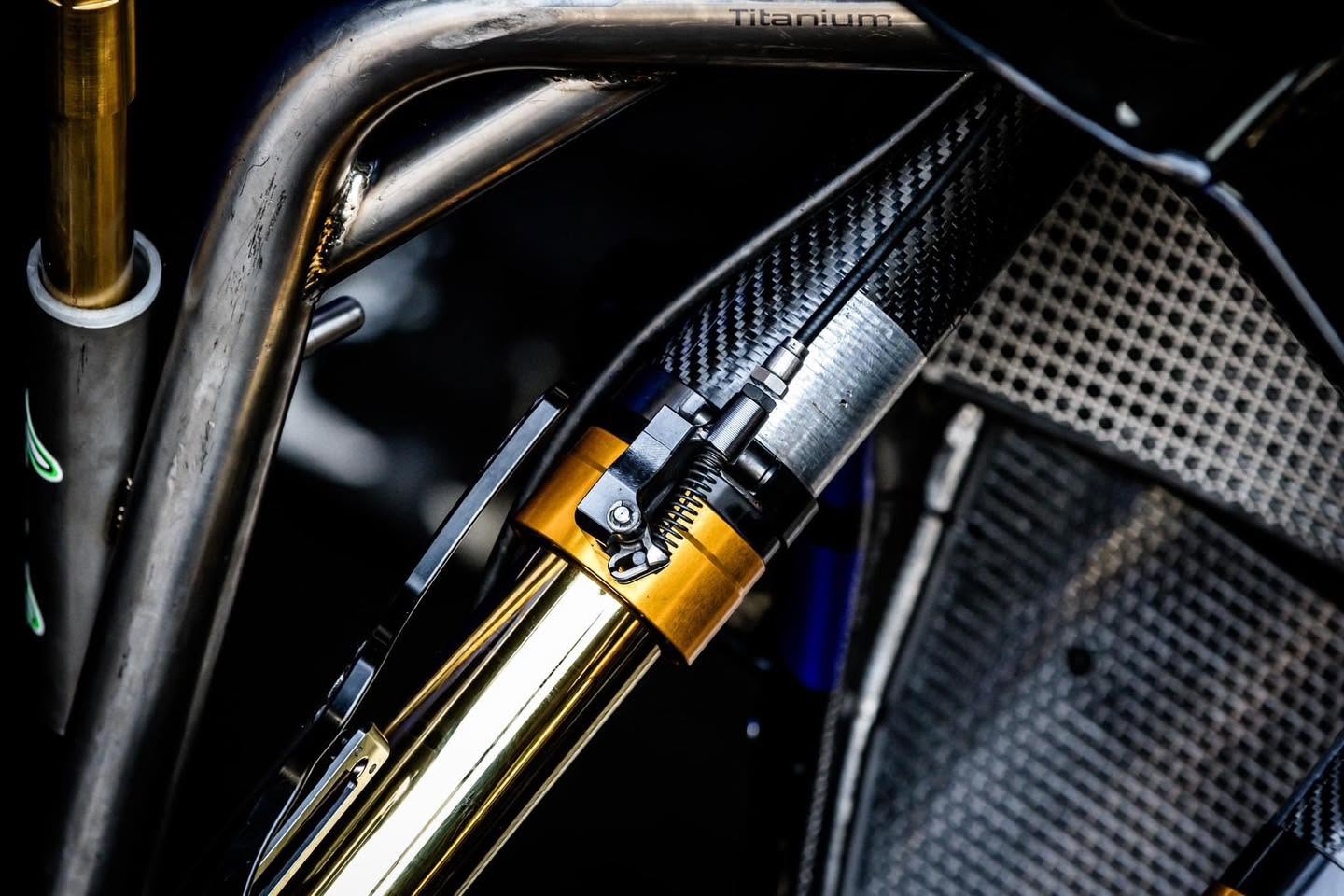
FIM Grand Prix Commission has confirmed a series of significant regulatory changes affecting the MotoGP World Championship, with new measures aimed at improving rider safety at race starts and maintaining competitive balance across the premier class.
The decisions, approved by the Grand Prix Commission following consultations with manufacturers, teams, and stakeholders, will come into effect at different stages beginning with the 2026 Dutch Grand Prix.
Front Ride Height Devices to Be Banned from Dutch GP
The most notable change is the removal of front ride height devices, commonly known as holeshot devices, from all MotoGP motorcycles.
The ban will take effect from the Dutch Grand Prix at Assen, marking the end of a technology that has become a key feature of race starts in recent seasons.
According to the Commission, the decision follows extensive discussions with all MotoGP teams, while riders were also given additional Practice Start sessions to evaluate race starts without the front ride height system.
The move is expected to simplify launch procedures while improving rider safety during the critical opening moments of each Grand Prix.
Starting Grid Layout Expanded for Greater Safety
Another important safety measure will be introduced from the 2026 German Grand Prix, with modifications to the starting grid across all Grand Prix classes.
The vertical spacing between each row of riders will increase from three metres to four metres.
This means:
- Distance between rider rows increases from 9 metres to 12 metres
- Three riders will continue to occupy each row
- Greater separation aims to reduce congestion and improve safety during race starts
The revised layout is designed to provide riders with more room during acceleration into Turn 1, reducing the likelihood of first-corner incidents.
Manufacturer Rider Limit Introduced from 2028
Looking further ahead, the Grand Prix Commission has also approved a new regulation designed to strengthen competition within MotoGP.
Beginning in 2028, each manufacturer will be permitted to field a maximum of six motorcycles across the championship.
Under the new rule:
- Manufacturers may supply a maximum of six riders
- This effectively limits each manufacturer to its factory team plus a maximum of two satellite teams
- The regulation will only apply if at least five manufacturers are competing in the MotoGP World Championship
The measure is intended to prevent excessive manufacturer dominance while encouraging a more balanced and competitive grid.
Commission Confirms Unified Direction
The decisions were taken by the Grand Prix Commission, comprising representatives from the FIM, IRTA, MSMA, and MotoGP rights holder Dorna Sports, with FIM President Jorge Viegas and senior championship officials also in attendance.
The latest regulatory package reflects MotoGP’s continued commitment to improving rider safety while ensuring long-term sporting fairness as the championship enters a new era.
With the front ride height device ban arriving immediately after Brno and broader structural changes scheduled over the coming seasons, teams and manufacturers now face another significant period of technical adaptation as MotoGP continues to evolve both on and off the circuit.
Credit Photo : MotoGP