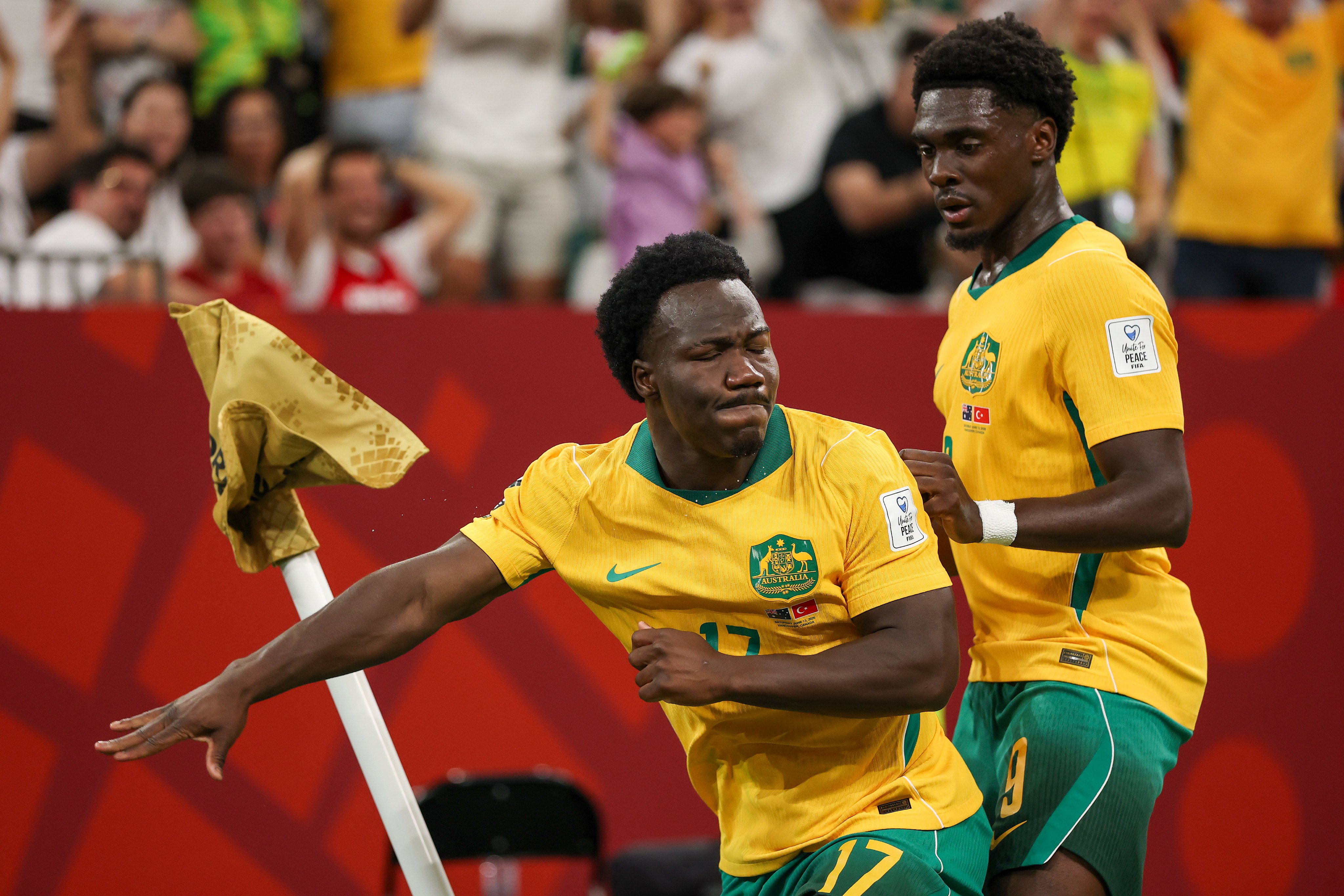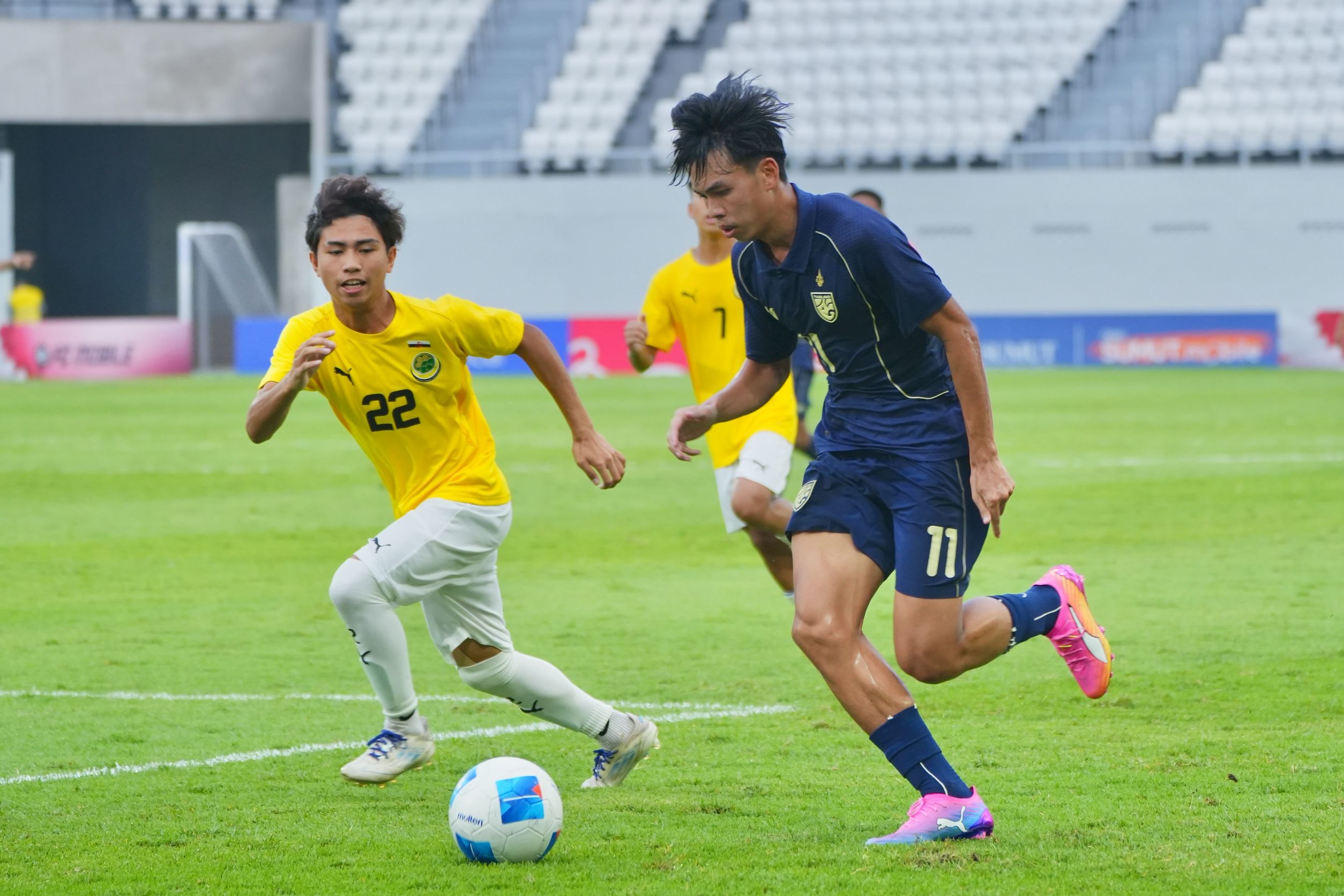











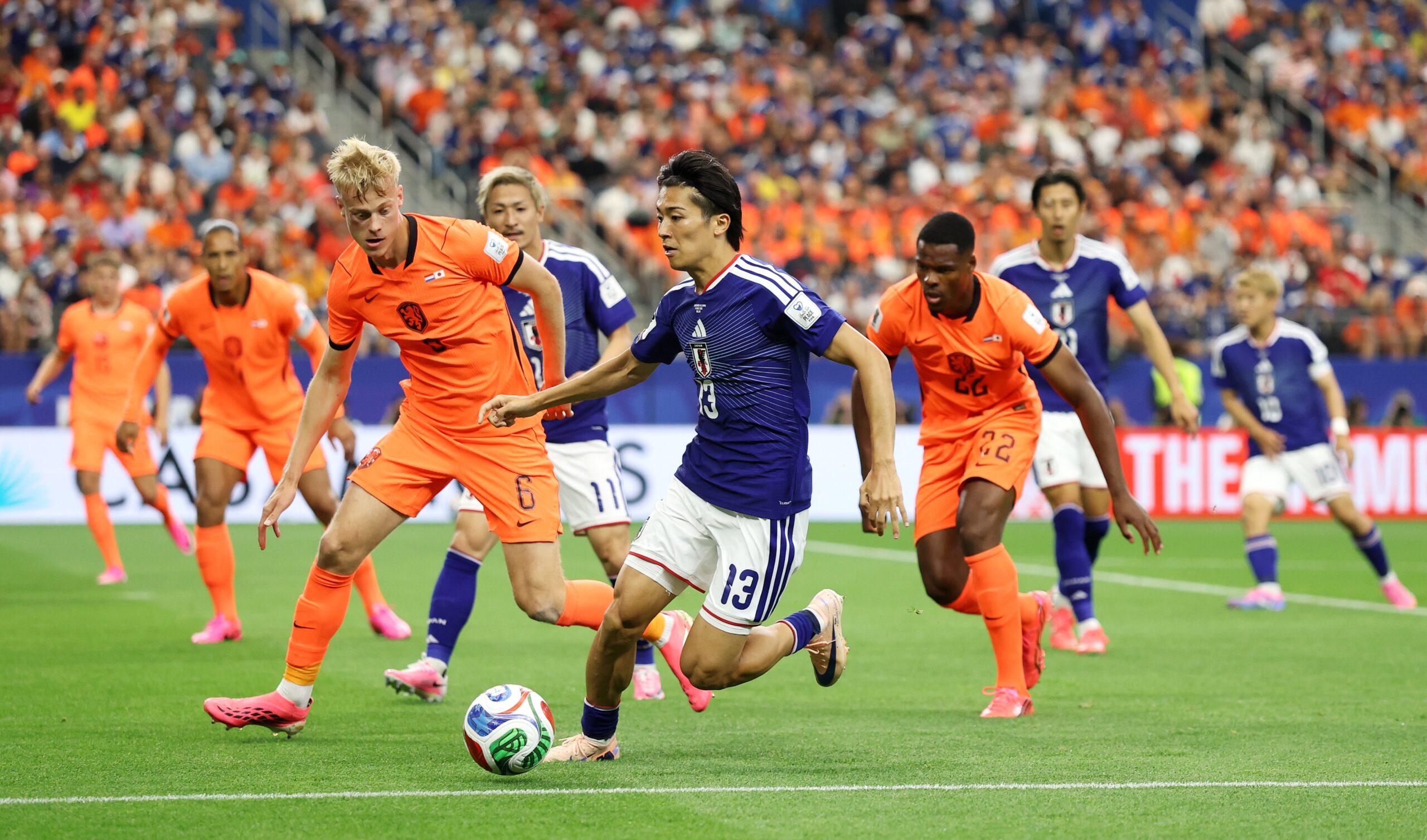
Japan demonstrated resilience, unity and fighting spirit as they twice came from behind to earn a valuable 2-2 draw against the Netherlands in their opening Group F match of the FIFA World Cup 2026 at Dallas Stadium, Dallas.
Japan entered the match under difficult circumstances after losing captain and midfield leader Wataru Endo to injury just days before the tournament began.
Moriyasu responded by handing Daizen Maeda a starting role, with the Celtic forward immediately setting the tone through his relentless pressing.
The Netherlands dominated possession during the opening stages and nearly struck inside three minutes. Cody Gakpo’s pass found Donyell Malen in the penalty area, but goalkeeper Zion Suzuki produced an excellent save to deny the Dutch forward.
Suzuki continued his impressive first-half display by stopping another dangerous Malen header from a corner in the 34th minute.
Despite spending long periods without the ball, Japan remained disciplined defensively and reached halftime level at 0-0.
The breakthrough finally arrived six minutes into the second half.
After Japan initially cleared a Dutch corner, Frenkie de Jong recycled possession and found Ryan Gravenberch on the right flank. His cross located towering captain Virgil van Dijk, who escaped his marker before directing a powerful header into the corner to give the Netherlands a 1-0 lead.
The goal threatened to swing momentum decisively in favour of the Oranje.
Japan’s response, however, was immediate. Just six minutes after conceding, Takefusa Kubo found Keito Nakamura on the left side of the penalty area. The winger drove towards goal before unleashing a low right-footed effort that arrowed into the far corner.
The stunning finish brought the Japanese supporters to life and restored parity at 1-1.
For a brief period, Japan appeared ready to seize control of the contest. The Netherlands regained the advantage in the 64th minute through substitute
Crysencio Summerville.
Receiving a pass from Gravenberch on the edge of the area, the Dutch attacker steadied himself before firing a precise left-footed strike beyond Suzuki’s reach and into the bottom corner.
Japan’s problems were compounded when influential playmaker Takefusa Kubo began struggling with a leg issue following a heavy challenge.
The Real Sociedad star was eventually forced off in the 75th minute, leaving Japan searching for inspiration during the closing stages.
Just when defeat seemed inevitable, Japan found a way back. In the 88th minute, a dangerous corner from the right was met by Koki Ogawa, whose header found Daichi Kamada in a crowded penalty area. The ball deflected into the net, sparking wild celebrations among the Japanese players and coaching staff.
Moriyasu punched the air on the touchline as Japan rescued a precious point against one of Europe’s traditional powers.
The result was particularly significant given Japan’s turbulent preparations for the tournament.
In addition to losing Endo before the competition, Moriyasu had already been forced to leave key attackers Takumi Minamino and Kaoru Mitoma out of the final squad due to injury concerns.
The squad responded by holding player meetings led by new captain Ko Itakura, strengthening the team’s resolve ahead of the tournament.
That unity was evident throughout the match as Japan refused to surrender despite twice trailing against higher-ranked opposition.
History suggests the draw could prove extremely valuable. In Japan’s previous World Cup campaigns, every tournament in which they earned points from their opening match resulted in qualification for the knockout stages.
With one point secured against arguably the toughest opponent in Group F, Japan have positioned themselves strongly ahead of their second match.
The Netherlands will face Sweden in their next Group F match on June 20, while Japan will take on Tunisia as both sides continue their World Cup campaigns.
Credit Photo : KNVB