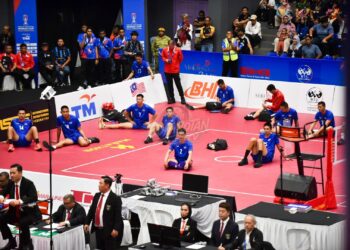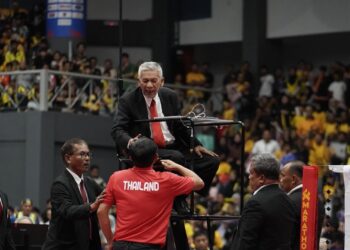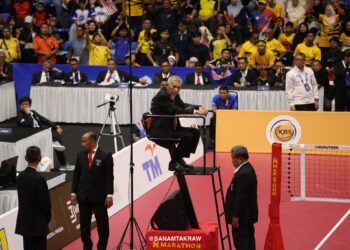



















The controversy surrounding the dramatic final of the ISTAF Sepaktakraw World Cup 2026 between Thailand national sepaktakraw team and Malaysia national sepaktakraw team has taken another major twist after acting ISTAF president Boonchai Lorphiphat stated that Thailand’s decision to walk out was against international sporting procedures.
The highly charged final ended in chaos after the Thai team refused to continue the match following dissatisfaction over a refereeing decision, resulting in Malaysia being awarded victory by default.
The incident could now lead to disciplinary action and possible suspensions from future international competitions.
Speaking on the matter, Boonchai confirmed that the case is now officially under investigation by the International Sepaktakraw Federation and stressed that all proceedings would follow established regulations.
According to him, teams unhappy with officiating decisions should complete the match first before filing an official protest or appeal within 30 minutes after the game — a standard procedure used in major tournaments including the SEA Games, Asian Games and World Championships.
“The act of refusing to continue the match or walking out affects the competition significantly, especially in terms of tournament organisation and live broadcasting,” said Boonchai.
“In international sports, this is considered a disciplinary offence.”
Boonchai also defended the controversial refereeing call that sparked the dispute.
He explained that the incident involved two separate offences occurring simultaneously — a line violation and a player stepping into the opponent’s court.
Although the challenge review did not classify the action as an “over net” violation, video footage clearly showed a line infringement and encroachment into the opposition area, both of which are considered fouls under sepaktakraw regulations.
“As far as we are concerned, the referee’s decision was correct,” he explained.
“Even if players disagree with the call, they should continue the match first and use the official protest process afterwards.”
The acting ISTAF president also acknowledged that human error can occur in officiating, which is why the challenge review system was introduced to reduce mistakes.
However, he stressed that dissatisfaction with a decision and abandoning a match are two completely separate matters.
He revealed that an investigation committee has already been formed and all involved parties will be invited to provide explanations before any disciplinary verdict is reached.
Potential punishments could include suspensions from competition, bans on officiating duties, or other disciplinary sanctions depending on the severity of the violation.
Boonchai warned that if the investigation drags on, the issue could affect preparations for the upcoming Asian Games.
Athletes and officials facing suspensions may risk missing the continental competition altogether.
He also referenced a previous incident involving Malaysia during the 31st King’s Cup in 2016, when the Malaysian team similarly protested officiating decisions and failed to complete a match. That case ultimately resulted in disciplinary punishments for several players and officials.
Boonchai urged the Takraw Association of Thailand to cooperate fully with ISTAF’s investigation process to ensure a swift resolution and minimise future consequences.
“The faster the investigation process moves, the faster this issue can be resolved and the impact on the sport can be reduced,” he said.
The incident has since sparked widespread debate across Southeast Asia, dividing opinions among fans, former players and officials, while placing international sepaktakraw officiating standards under intense scrutiny once again.
Credit Photo : BOLAROTAN TV