







The Grand Prix Commission has unveiled a comprehensive series of regulatory changes designed to reshape competition across the FIM World Championship during a formal session held today, addressing everything from on-track procedures to sustainability commitments that will reshape the sport’s technological landscape.
Chaired by Carmelo Ezpeleta of MotoGP SEG and comprising representatives from the FIM, International Road Racing Teams Association (IRTA), and Motorcycle Sports Manufacturers Association (MSMA), the Commission’s decisions signal a significant modernization of competition procedures and a renewed commitment to environmental stewardship across all championship categories.
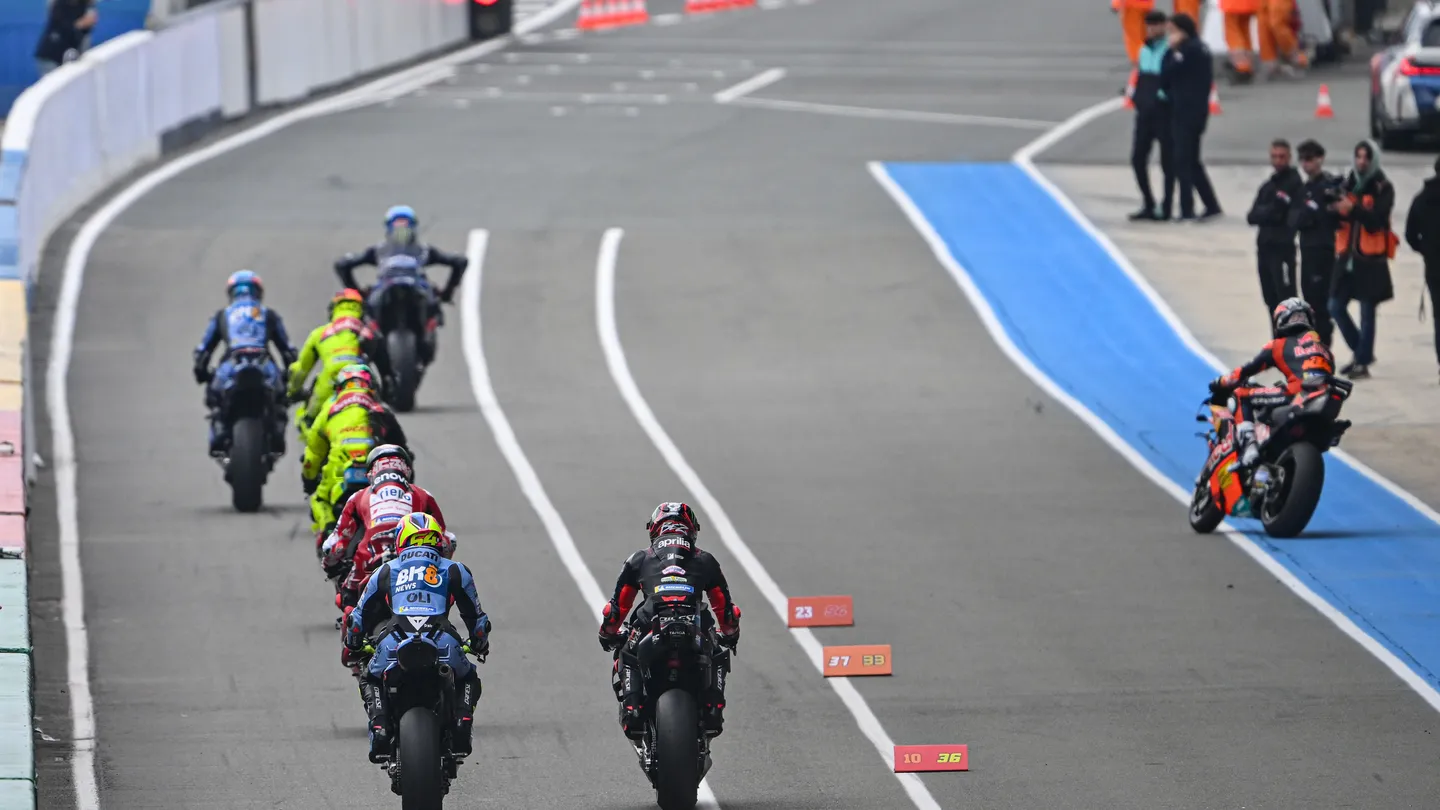
In a sweeping change to pre-race procedures effective in the 2027 season, the Commission has banned all practice starts from the pitlane exit across every circuit on the calendar. The decision marks the culmination of a gradual process of standardization that saw practice starts previously permitted at approximately 30% of venues.
The regulatory shift capitalizes on the recent introduction of dedicated practice start zones now implemented at all circuits, coupled with dedicated practice start sessions for MotoGP competitors at every Grand Prix weekend. The new protocol enhances safety by centralizing and controlling pre-race preparations in designated areas rather than permitting ad-hoc procedures at pitlane exits.
The introduction of a new specification Moto2 engine for the 2027 season necessitates a complete reset of competitive concessions across the entire category. All Moto2 teams will begin the 2027 championship without development concessions, with the Commission ordering rankings to be re-evaluated mid-season once sufficient competitive data has accumulated.
To accommodate the limited pre-season testing window available with the new power unit and accompanying chassis specifications, Moto2 manufacturers have been permitted a single development update to either chassis or swingarm configuration during the competition season. Aerodynamic body components remain frozen at 2026 specifications, with strict limitations imposed on the usage of earlier designs—a cost-control measure designed to prevent runaway expenditure during the technical transition period.
In an immediate decision affecting the current season and beyond, the Grand Prix Commission has formally codified the MotoGP engine management unit (ECU) RPM limit of 20,000rpm directly into the championship regulations. The explicit inclusion mirrors identical language already present in the Moto3 class regulations, enhancing regulatory clarity and enforcement across both categories.
The Commission has postponed the introduction of 100% non-fossil fuel specifications in the Moto2 and Moto3 categories to the 2028 season, delaying the initiative from its originally proposed 2027 implementation date. The revised timeline ensures continuity with Triumph’s introduction of a new Moto2 engine specification in 2027 and the rollout of completely redesigned Moto3 machinery scheduled for 2028, providing manufacturers and teams adequate preparation time for the sustainability transition.
The decision reflects the Commission’s recognition that technological transitions across multiple championships require coordinated implementation schedules to maximize competitive fairness and minimize disruption to teams navigating simultaneous regulatory changes.
Credit Photo : MotoGP