FIFA Day: Japan Stuns Uruguay 3-1
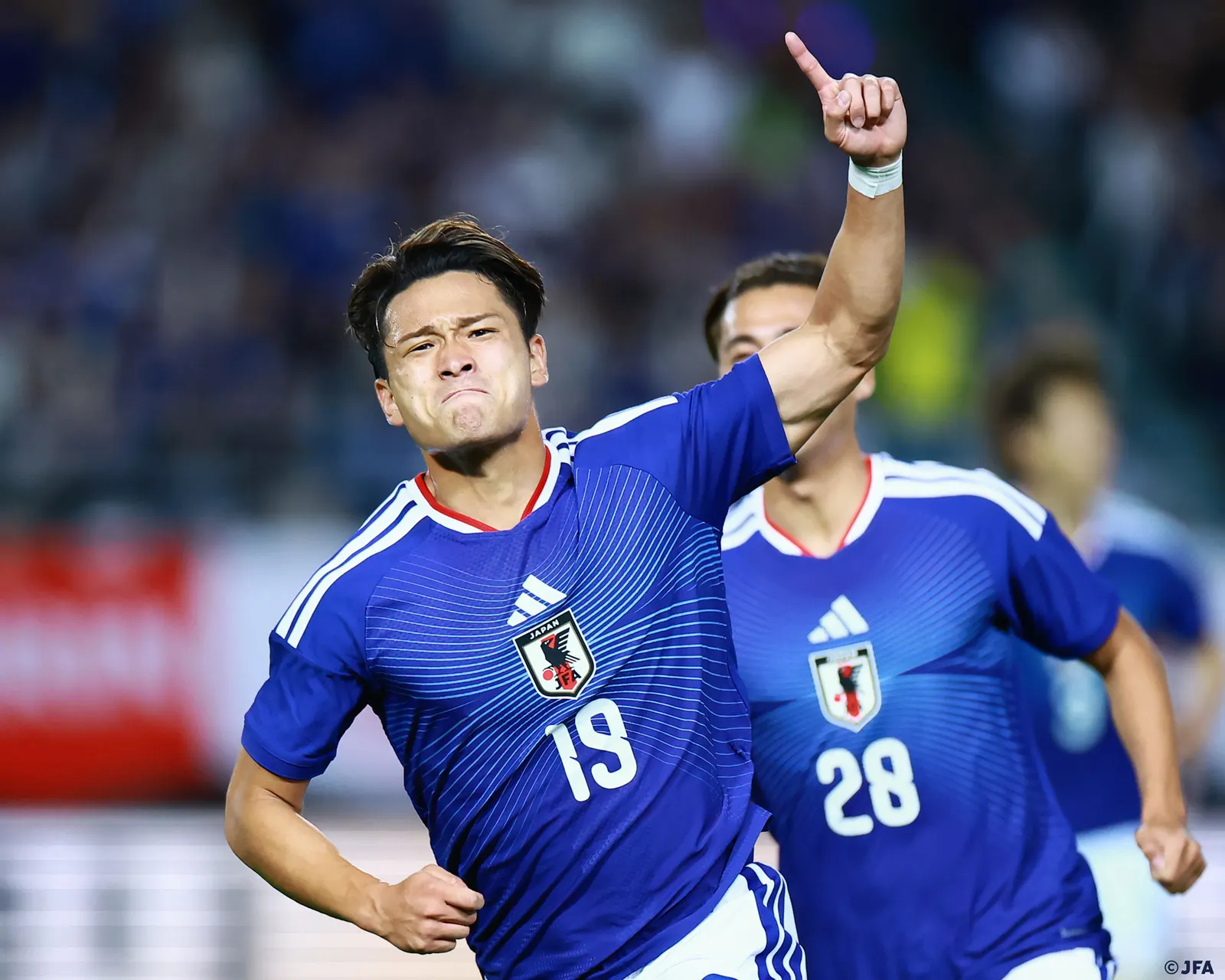
Japan national team delivered a spectacular performance against Uruguay in an international friendly at Q&A Stadium, Rifu.
showcasing the emergence of fresh talent as newcomers Matsuki Kuryu and Shiogai Kento both scored dramatic first international goals to secure a commanding 3-1 victory over the South American powerhouse and two-time World Cup champions.
The encounter marked Japan's first fixture since this summer's World Cup tournament in North and Central America, with head coach Hajime Moriyasu using the high-profile matchup against 20th-ranked Uruguay to blood new talent while maintaining Japan's position among the world's elite footballing nations at 17th in the FIFA rankings.
Moriyasu made a striking tactical decision by handing a starting berth to first-time call-up Matsuki Kuryu, the 23-year-old Southampton midfielder, immediately trusting him with significant responsibility in his senior international debut. The head coach further demonstrated confidence in Japan's midfield depth by starting brothers Sano Kaishu and Sano Kota simultaneously—a historic selection that marked just the second occasion in Japanese football history that siblings have started together, following three separate instances involving the Miura brothers, Yasutoshi and Kazuyoshi.
The gamble on fresh faces paid immediate dividends. In the 11th minute, Matsuki opened the scoring in spectacular fashion, receiving a cross-field pass from midfielder Nakamura Kaito on the right flank before cutting inside toward the center. From his favored position near the right side of the penalty area, Matsuki unleashed a powerful left-footed strike that found the bottom left corner of the net, announcing his international arrival in dramatic fashion.
Despite securing an early advantage, Japan's lead proved short-lived as defensive disorganization during build-up play in the 42nd minute allowed Uruguay to launch a dangerous counterattack. Goalkeeper Hayakawa, who had produced several outstanding saves throughout the opening period, managed to parry a powerful strike from Viña, but could not prevent M. Araújo from converting the resulting rebound, leveling the score at 1-1 heading into the halftime interval.
Moriyasu wasted no time making tactical adjustments after the interval, immediately withdrawing Sano Kota in favor of midfielder Kamada Daichi at the start of the second half. The head coach continued his aggressive rotation strategy in the 19th minute, introducing four fresh players simultaneously—forward Ueda Ayase, midfielder Ito Junya, midfielder Kubo Takefusa, and defender Suzuki Junnosuke—sending the stadium into raptures as Matsuki, the match's opening goalscorer, was withdrawn following his sensational debut performance.
The intensity escalated as both sides traded fierce attacking exchanges throughout the closing stages. In the 41st minute of the second half, Ueda found himself with a golden opportunity following a defense-splitting pass from Kubo, though his effort drifted narrowly wide of the right post.
Japan's persistence ultimately proved decisive in second-half stoppage time when substitute forward Shiogai Kento, also making his mark on debut, converted a dramatic winning goal assisted by Ueda—securing his first-ever international goal at the most critical moment of the contest. Ueda then added further gloss to the scoreline with an additional strike in the dying moments, sealing a commanding 3-1 victory.
The dramatic late goal rush extended Japan's remarkable unbeaten record on home soil to 19 consecutive matches, a run stretching back to their 2023 encounter against El Salvador. The emphatic victory over a Uruguay side boasting two World Cup titles represents a significant statement of intent for Moriyasu's rebuilding project following this summer's World Cup campaign, with the emergence of debutant goalscorers Matsuki and Shiogai offering encouraging signs for Japan's continued evolution at the international level.
Credit Photo : JFA