
















MotoGP and global motorcycle racing have taken a long-awaited step forward in rider safety after the Fédération Internationale de Motocyclisme (FIM) officially published its first concussion assessment and management guidelines, set to be applied across all levels of motorcycle competition.
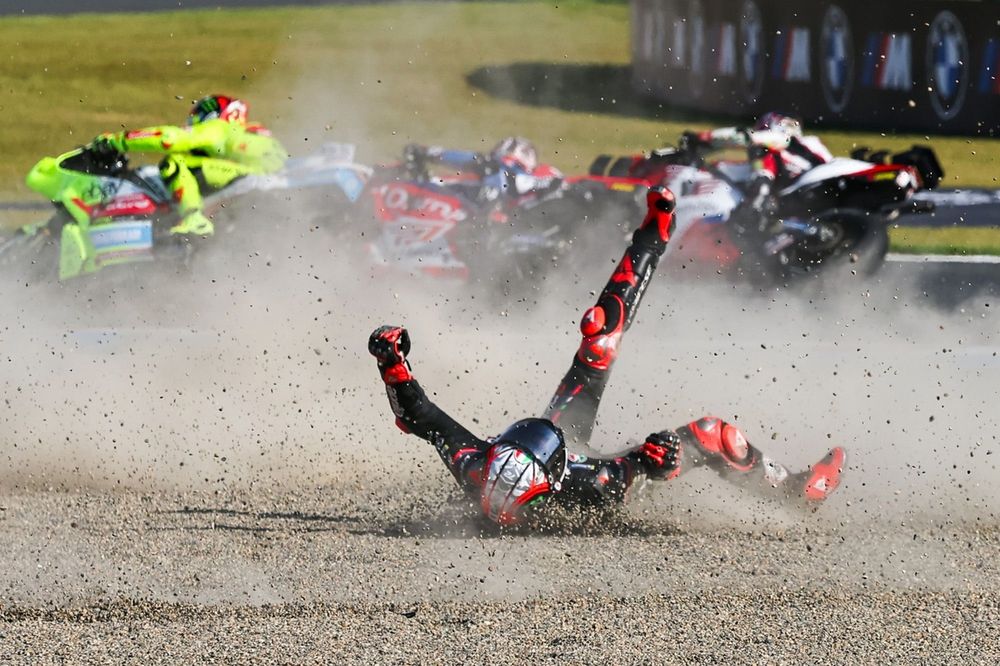
The move comes amid growing concern over head injuries in high-impact sports, with concussions recognised as one of the most serious risks for motorcycle racers following crashes. In recent years, MotoGP in particular has faced criticism after several riders displayed concussion symptoms yet were still cleared to race.
Unveiled as the central outcome of the FIM Medical Summit in Lyon in 2024, the new guidelines aim to address those shortcomings by introducing a structured and sport-specific framework.
According to the FIM, the guidelines are designed to “provide clear, consistent and sport-specific procedures for the assessment, management and return-to-sport process following concussion,” marking the first unified medical reference of its kind in motorcycle racing.
FIM president Jorge Viegas stressed that the initiative reflects a broader commitment to rider welfare.
“Placing safety first is essential to the sustainable development of motorcycle sport,” said Viegas.
“With the introduction of these concussion guidelines, the FIM is taking a decisive step to ensure that rider health and well-being remain at the heart of everything we do.
This initiative reflects our responsibility to evolve the sport in a safe, structured and scientifically grounded manner.”
Echoing that sentiment, Dr David McManus, FIM Medical Director and Director of the FIM International Medical Commission, described the guidelines as a milestone for the sport.
“These guidelines represent an important step forward in protecting the health, well-being and safety of our riders,” he said.
“They are the result of extensive research, expert consultation and collaboration with national federations and other sports.”
Dr McManus also highlighted that the rollout will be accompanied by education and awareness programmes targeted at riders, teams, officials and national federations — a crucial element in ensuring proper implementation on and off the track.
However, while the announcement has been widely welcomed, questions remain. The current framework does not appear to introduce a mandatory concussion protocol, leaving enforcement largely in the hands of organisers and medical teams at individual events.
Even so, the publication of formal concussion guidelines is viewed as a significant cultural shift for MotoGP and motorcycle racing as a whole — one that aligns the sport more closely with global standards in athlete health and safety.
As pressure continues to mount for stronger protections, the effectiveness of these guidelines will ultimately depend on how consistently and firmly they are applied in real race conditions.
Credit Photo : Autosport