Bahrain GP Opens Door for Malaysia to Reassess F1 Return - President MAM
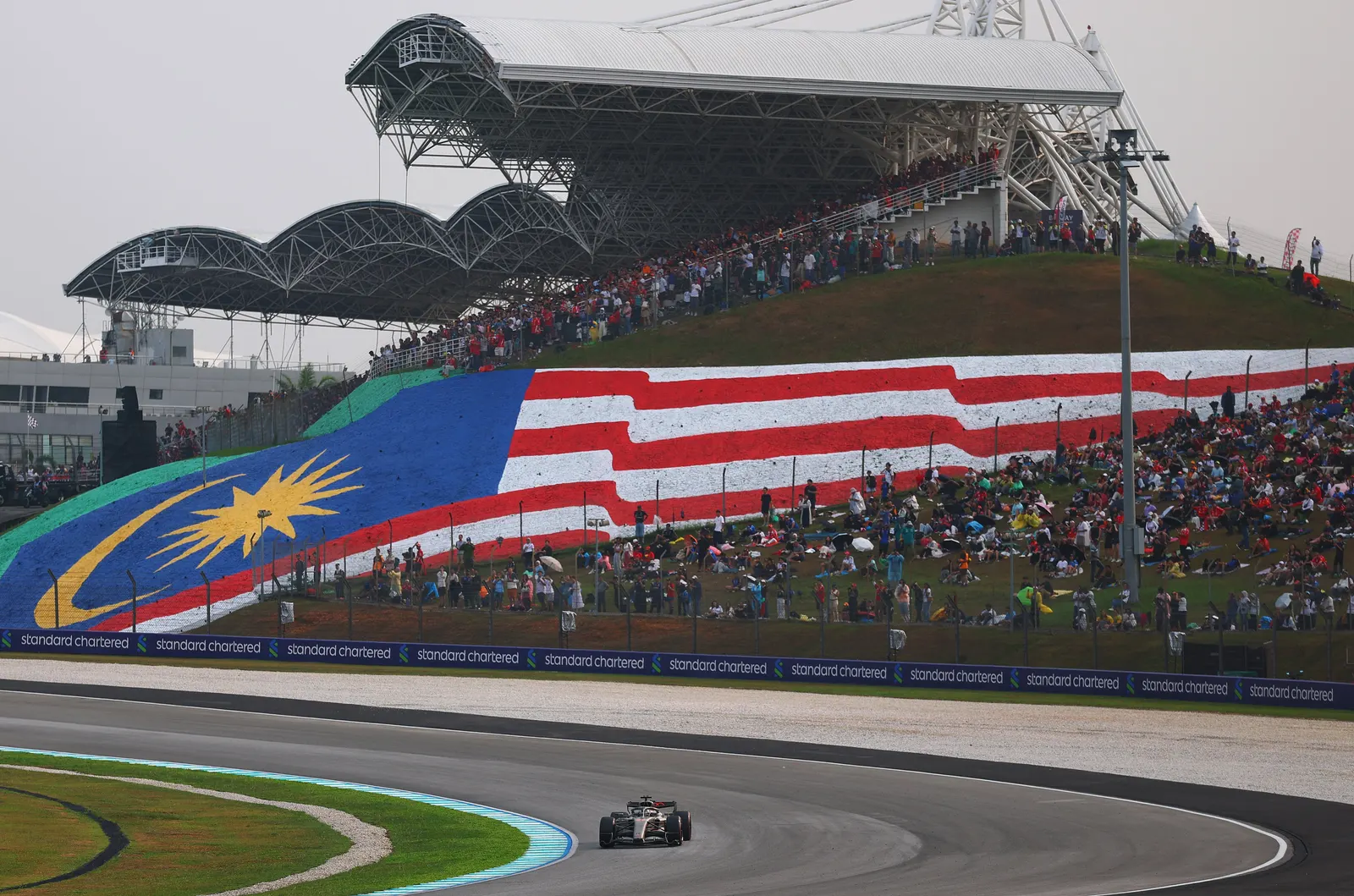
Malaysia is unlikely to pursue a biennial Formula 1 arrangement or rotate hosting duties with Singapore, with a longer-term three-year contract and an option for a further two years emerging as the preferred model should the prestigious championship return to the Sepang International Circuit (SIC).
Malaysia Motorsport Association (MAM) president Tan Sri Mokhzani Mahathir believes a three-year deal with an optional two-year extension would provide a more practical and sustainable framework for Formula 1, allowing the championship, organisers and fans to plan well into the future.
He also dismissed the idea of Malaysia and Singapore alternating Formula 1 races, pointing out that the two events have fundamentally different identities and that Singapore would be unlikely to voluntarily give up its annual hosting opportunity.
“I don't think Singapore will give up the opportunity to host Formula 1. So, I don't think alternating it with Malaysia is possible,” Mokhzani said.
Malaysia last hosted Formula 1 in 2017, while Singapore joined the calendar in 2008. Mokhzani noted that the two countries have never operated under an alternating arrangement since Singapore became an F1 host.
He also highlighted the contrasting characteristics of the two venues.
“The race in Singapore is different from the race here. Our race takes place during the day and at a permanent circuit, while theirs is held at night and uses a street circuit,” he explained.
Despite ruling out an alternating model, Mokhzani believes the strong response to the Gulf Air Bahrain Grand Prix at Sepang has provided Malaysia with an important opportunity to reassess the economic potential of bringing Formula 1 back to the country.
The successful staging of the race has demonstrated the ability of Sepang and Malaysia to accommodate a major international motorsport event, while also highlighting the wider economic benefits that can be generated through international visitors and motorsport fans.
According to Mokhzani, a return of Formula 1 could create a significant spillover effect across multiple sectors, including hotels, restaurants, food and beverage businesses and airlines.
“We can study whether it is worthwhile to bring Formula 1 back to Malaysia. In terms of the circuit's capability, yes, we can do it.
“Whether we have the financial capability and other requirements is something that needs to be studied. But I am certain and confident that if we reassess it, the economic impact will be significant and everyone will benefit to some extent from hosting Formula 1,” he said.
Mokhzani stressed that if Malaysia genuinely wants to become a permanent Formula 1 host again, the country should pursue a long-term commitment rather than simply waiting for opportunities created when another venue is unable to stage a race.
Malaysia's return to the F1 calendar in the current situation came about because another circuit was unable to host the event, making it an unusual opportunity rather than the result of a permanent agreement.
“This time is a unique situation. We have the opportunity to host this race because another circuit is unable to do so. I don't want to see a situation like this continue.
“Situations like this, caused by political tensions, are not good for everyone. We know the impact on the global economy, and everything becomes disrupted. The ideal situation is for each country to be able to host a race at its own circuit,” Mokhzani added.
With Sepang already possessing the infrastructure, experience and international reputation required for Formula 1, the key question now appears to be whether Malaysia is prepared to make the financial commitment required for a sustained return.
For Mokhzani, a three-year contract with a two-year extension option could provide the stability needed to make that return commercially and strategically viable, rather than relying on short-term opportunities.
The possibility of Formula 1 returning to Sepang therefore remains open, but any comeback is likely to depend on a broader assessment of its economic impact, financial feasibility and the willingness of all stakeholders to commit to a long-term partnership.
Credit Photo : F1