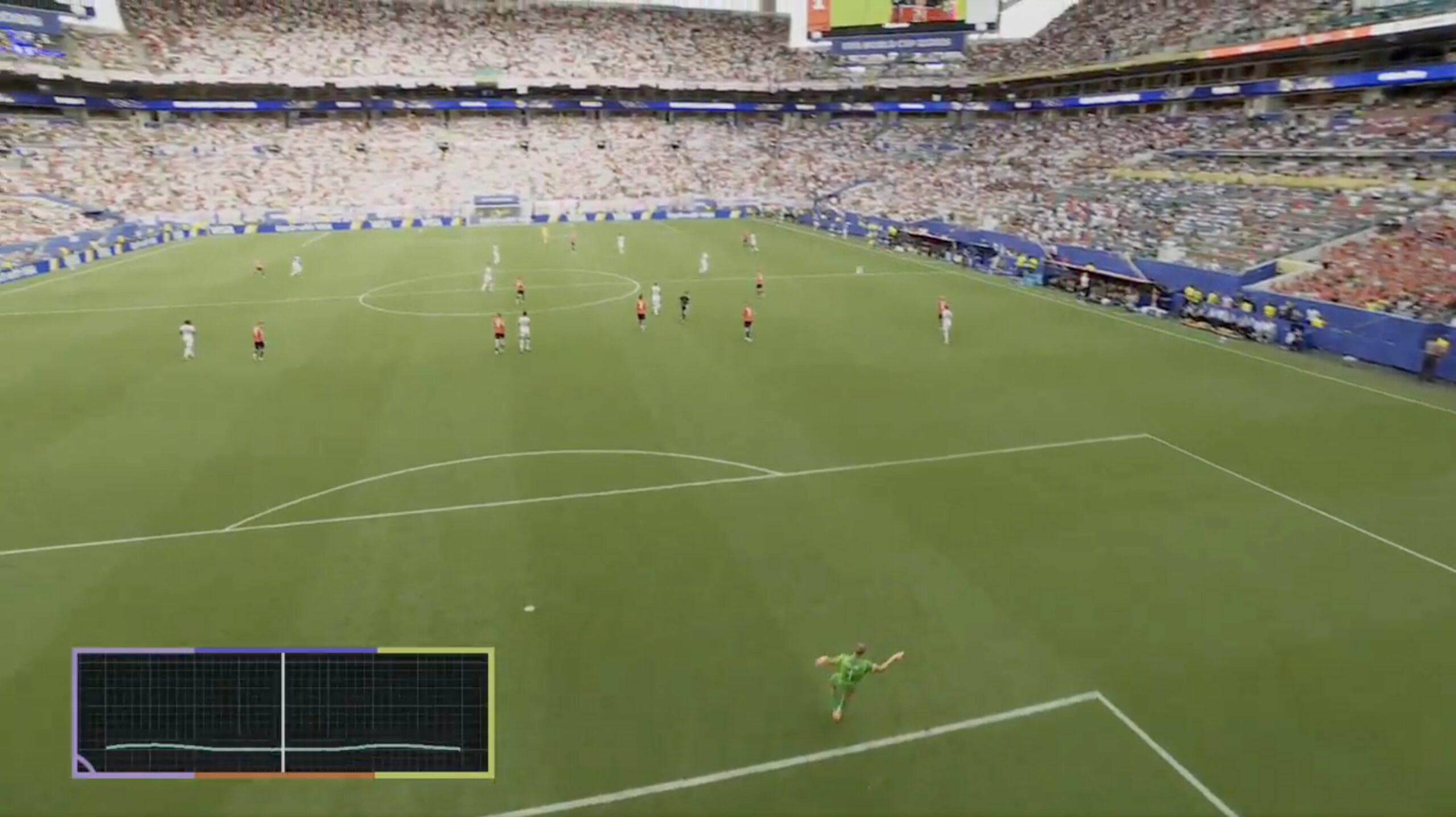











South Korean President Lee Jae Myung has called for sweeping reforms to the country’s sports governance following the national team’s shock group-stage elimination from the 2026 FIFA World Cup, describing the campaign as a failure of leadership, appointments and organizational management rather than the players alone.
In a strongly-worded statement posted on X, the president expressed disappointment over South Korea’s early exit, saying the result had left him “not only surprised, but dumbfounded.”
“I would like to thank Minister Choi Hwi-young and all the public officials for their hard work,” Lee wrote.
“As a former honorary professional football club president and a passionate supporter of the Red Devils, I feel not only surprised but deeply dismayed by this unexpected result.”
The Korean president argued that the disappointing campaign highlighted the importance of appointing capable leaders, insisting that organizations inevitably suffer when loyalty is valued above competence.
“This has once again proven that personnel decisions determine everything. When leaders are chosen based on favoritism rather than ability, the outcome is predictable.”
Lee added that poor appointments become possible when those responsible for making decisions are not subject to effective oversight or accountability.
The president stressed that successful organizations require democratic governance, transparency and clear accountability, saying these principles should also apply to South Korea’s sporting institutions.
He revealed that his administration has already instructed authorities to introduce more democratic election systems within national sports organizations, including the Korea Sports Council and the Korea Football Association, replacing indirect voting systems with direct elections involving the broader sporting community.
“Every organization needs democratic governance, effective oversight, and a clear balance between authority and responsibility,” Lee said.
“We must establish strict monitoring systems to ensure transparency, fairness and objectivity, while holding individuals accountable for both their actions and the results.”
Lee believes South Korea’s failure to advance beyond the group stage reflects deeper organizational shortcomings rather than a single footballing issue.
“It appears this failure to qualify from the World Cup group stage was caused by failures in organization and personnel management.”
With significant public funding and national resources invested in the country’s World Cup campaign, the president instructed the Ministry of Culture, Sports and Tourism to conduct a comprehensive review into the circumstances surrounding the team’s elimination.
He called for a detailed investigation covering the causes of the failure, measures to prevent similar incidents, and recommendations for future reforms.
“As considerable taxpayers’ money and national support are invested in our World Cup participation, I ask the ministry to thoroughly examine the situation, identify the causes, and prepare concrete measures to prevent this from happening again.”
Lee concluded by apologizing to South Korean football supporters for the disappointment caused by the national team’s exit and pledged to accelerate reforms within the country’s sports administration.
“I sincerely apologize for the deep disappointment this unfortunate situation has caused the people of our country.
“We will move swiftly with reforms to sports administration so that this never happens again.”
South Korea’s elimination from the 2026 FIFA World Cup has already triggered significant fallout, including the resignation of head coach Hong Myung-bo, while increasing scrutiny over the leadership and governance of Korean football.
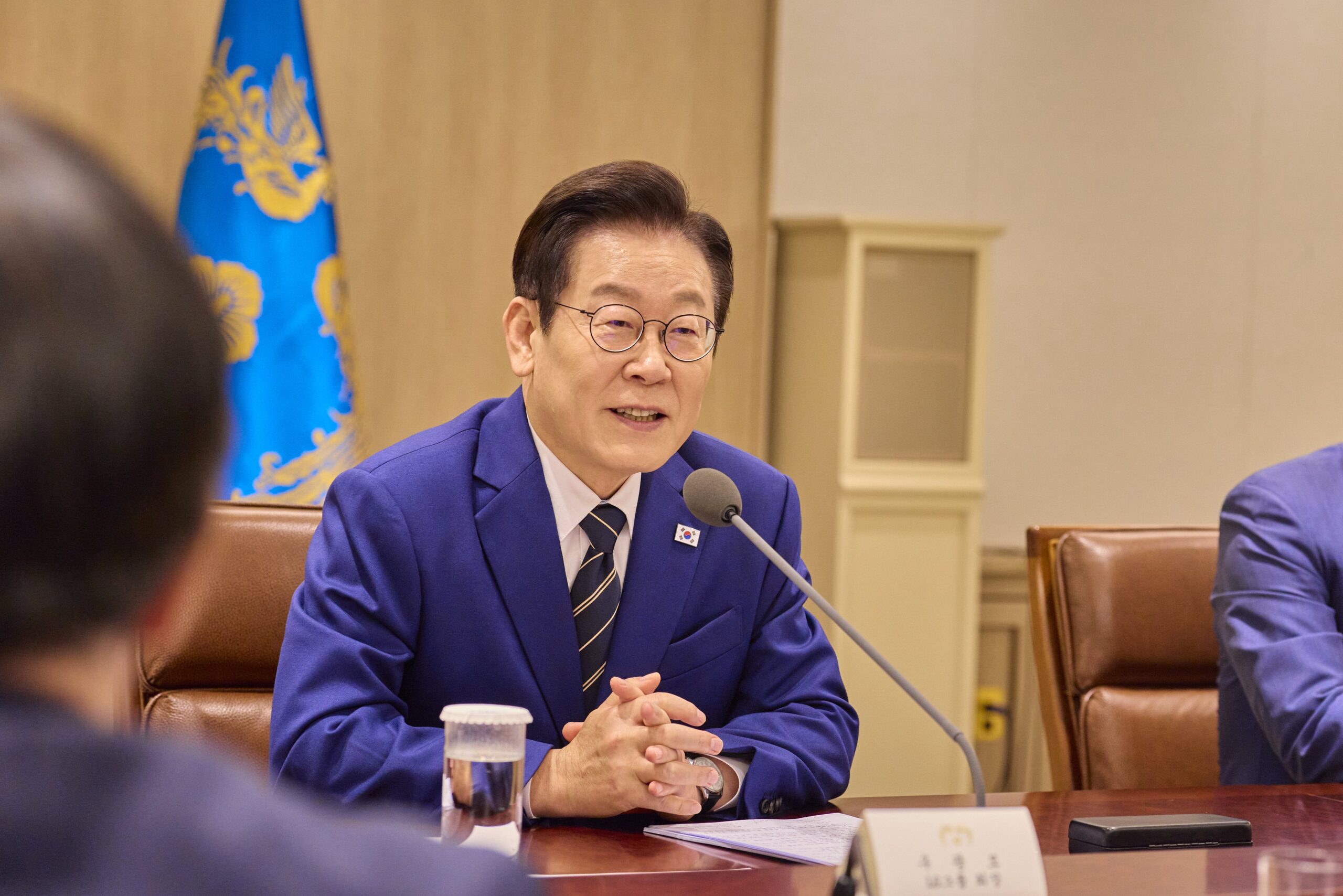
Credit Photo : Korea Government House